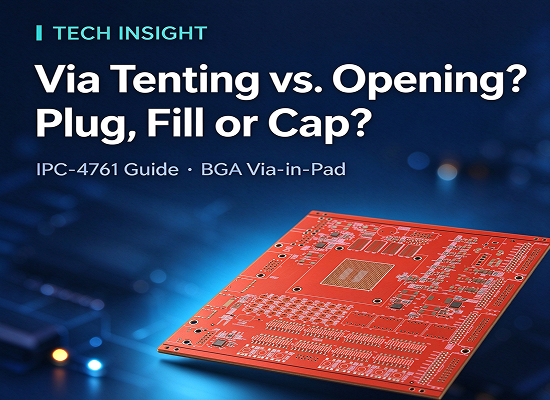
PCB via surface finishing comes in three processes — tenting, plugging, and fill-and-cap — corresponding to IPC-4761 Type I, Type III/IV and Type VII. Learn when to open vias for probing, current carr...
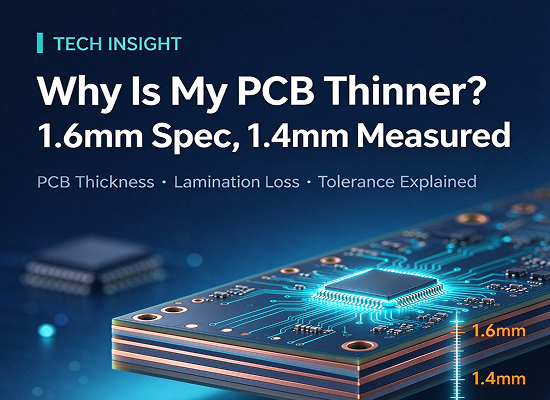
Is your finished PCB thinner than the "target thickness" on your drawing a sign of cost-cutting, or normal behavior? This article explains copper flow, prepreg squeeze-out, copper retention and IPC-60...
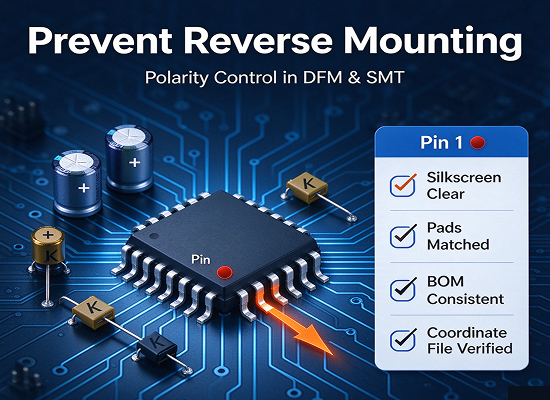
Component reverse mounting is one of the most damaging defects in SMT production. Juehui Weiye Circuit explains PCB marking standards for diodes, tantalum capacitors, and IC Pin 1, and how DFM review ...
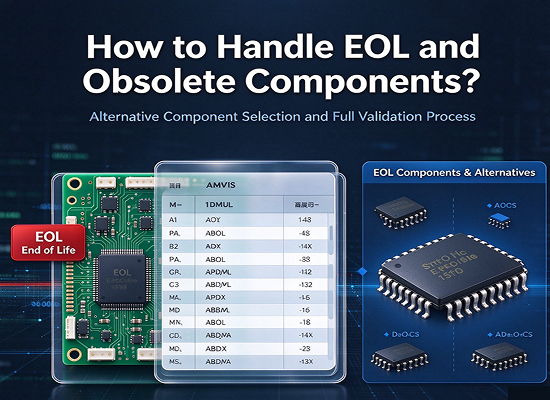
What should you do when components become obsolete due to EOL (End of Life)? Juehui Weiye Circuit explains how to identify EOL risks, select alternative components, and implement a complete validation...
Q: What solder void rate is considered acceptable? What does the IPC standard specify? Why are requirements stricter for automotive electronics and medical devices? What void level can manu..
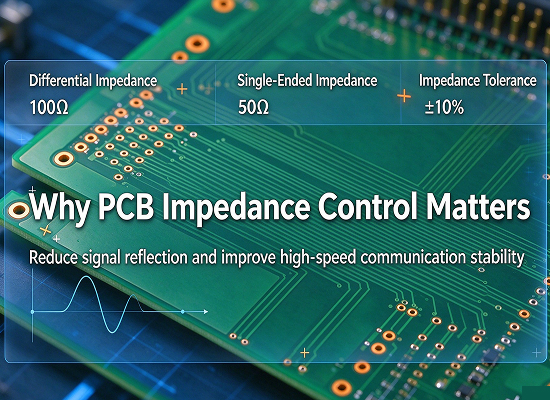
Q: What is PCB impedance? Why must high-speed circuit boards adopt impedance control? What problems will be caused by impedance mismatch? What are the commonly used PCB impedance standards?..
Which supplier can stably undertake high-precision BGA soldering for PCBA prototyping? Who is equipped with complete X-Ray inspection equipment and capable of precisely controlling solder joint void r...
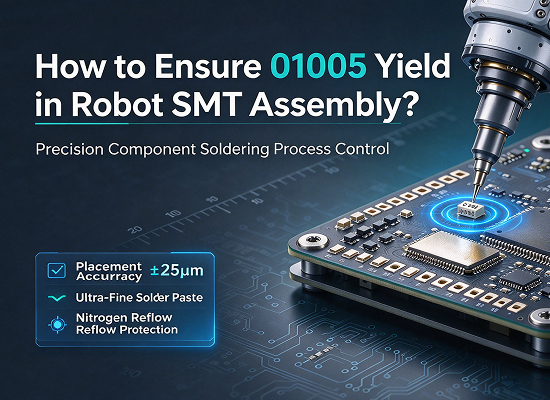
For robot SMT assembly, how to steadily guarantee the soldering yield of 01005 micro components? Juehui Weiye Circuit specializes in high-density precision PCBA assembly. We have established a complet...
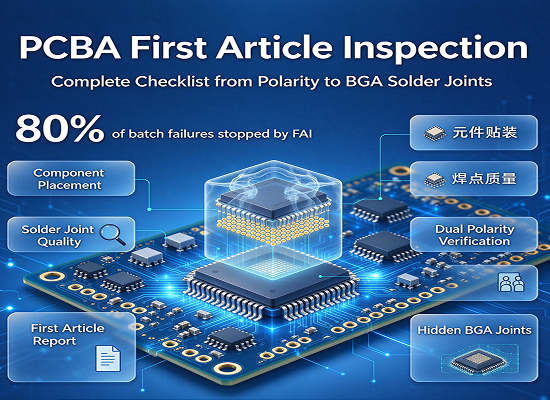
First Article Inspection (FAI) is the first quality gate on the SMT line that stops batch-level failures before they happen. This article provides a complete first-article checklist — from component p...
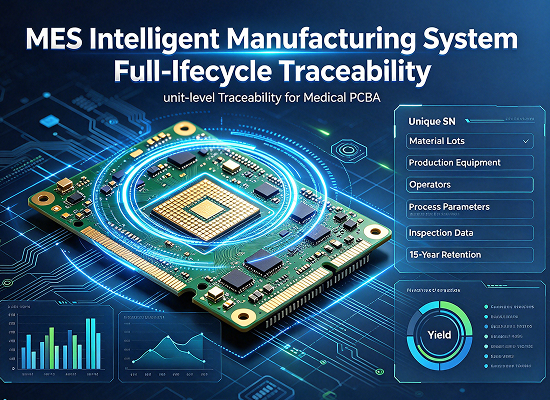
Juehui Industry developed a proprietary MES system. A unique SN code is assigned to each individual PCBA for full-lifecycle traceability of materials, equipment, operators and process data. Traceabili...
 189-2464-6170
 szjhpcb@VIP.126.com